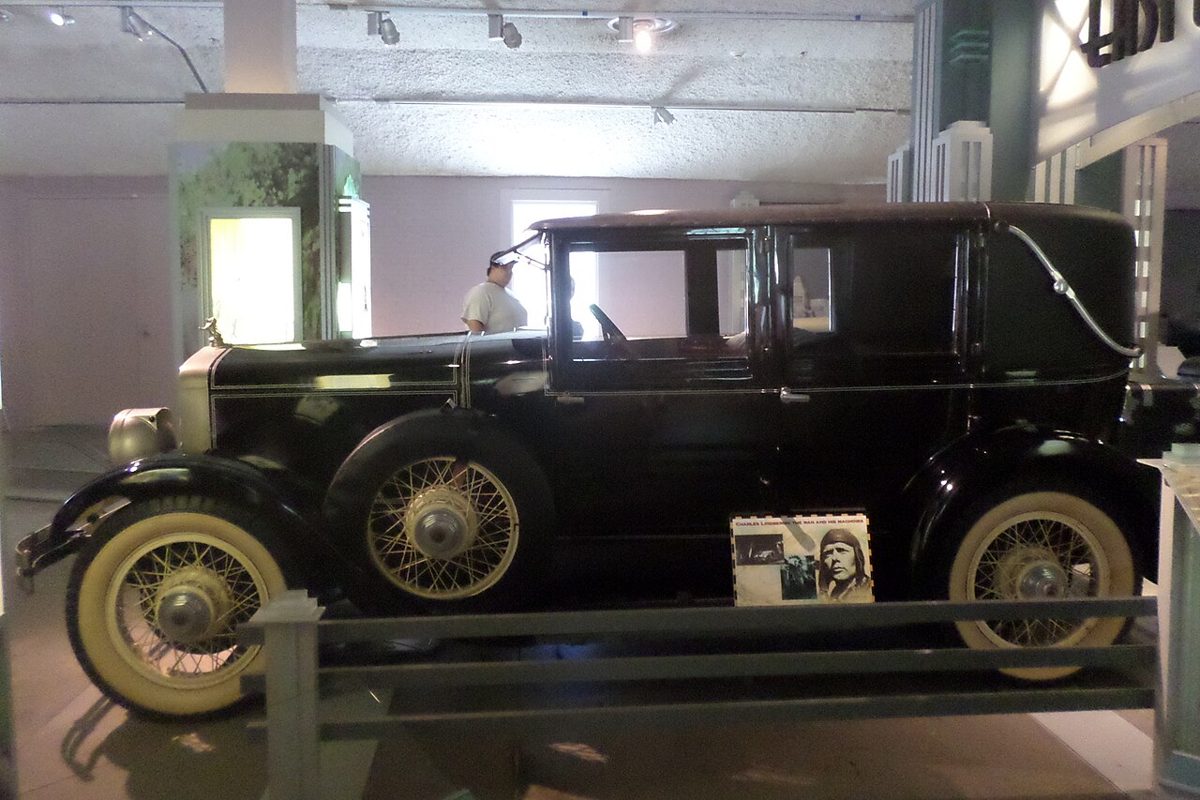
In the pantheon of early American automotive history, few names evoke as much respect among air-cooled enthusiasts as Franklin. Founded by Herbert H. Franklin in Syracuse, New York, the H.H. Franklin Manufacturing Company became the longest-lived and most successful American manufacturer of air-cooled automobiles, producing vehicles from 1902 until its unfortunate demise in 1934. While the rest of the industry largely followed the lead of European designs that relied on heavy, complex liquid-cooling systems, Franklin stood as a lone sentinel of air-cooled efficiency, proving that a radiator-free car could not only compete but excel in performance, reliability, and comfort.
The Vision of John Wilkinson and Scientific Light Weight
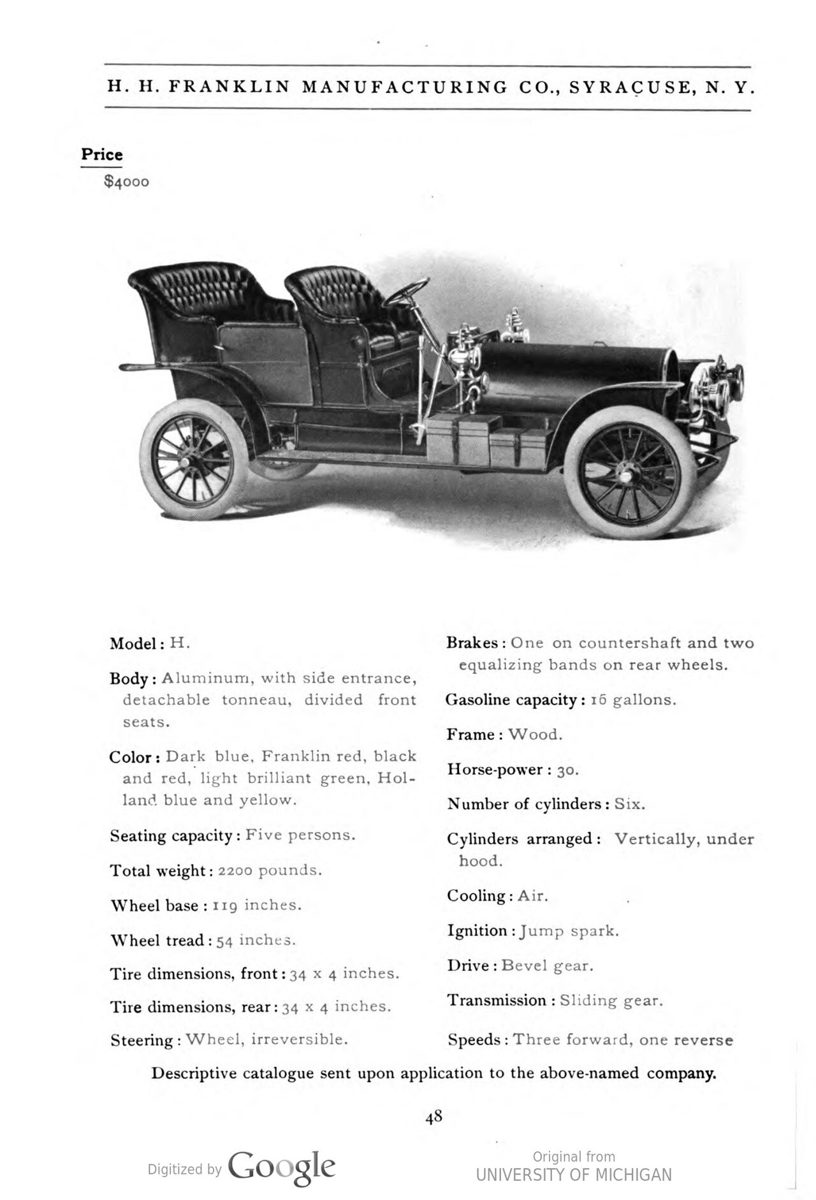
The story of Franklin is inextricably linked to the engineering genius of John Wilkinson. A Cornell-educated engineer and athlete, Wilkinson brought a unique perspective to automobile design. He was a staunch advocate for what he called "scientific light weight." At a time when cars were becoming increasingly heavy and cumbersome, Wilkinson believed that every pound saved was a pound that didn't need to be moved by the engine or stopped by the brakes. This philosophy led him to reject water-cooling, which he viewed as a "miniature plumbing system" fraught with potential points of failure—pumps that could leak, hoses that could burst, and radiators that could freeze or boil over.
By eliminating the liquid-cooling system, Wilkinson not only simplified the vehicle but also significantly reduced its weight. This weight reduction was furthered by Franklin's pioneering use of materials. Long before aluminum became common in automotive manufacturing, Franklin was one of the world's largest consumers of the metal. From engine components to body panels, aluminum was used wherever possible to maintain the company's commitment to lightness. This approach didn't just improve power-to-weight ratios; it also reduced tire wear and improved fuel efficiency, making Franklin a favorite among long-distance drivers and those who valued engineering elegance over sheer bulk.
A Legacy of Pioneering Valve Technology
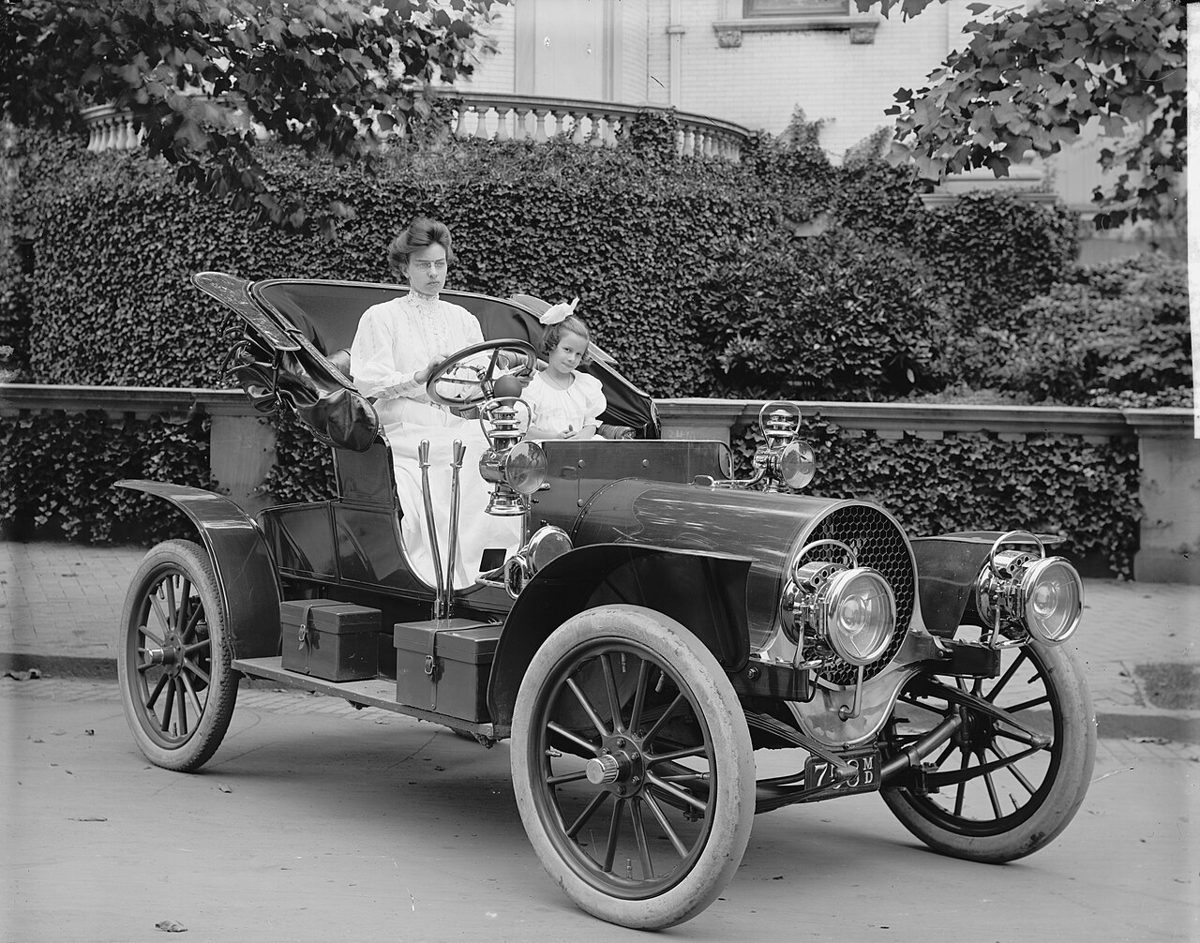
One of the most significant, though sometimes technically debated, aspects of Franklin's legacy is its pioneering work with valve placement. While many early competitors relied on side-valve (L-head or T-head) engines, Franklin was an early adopter of the "valves-in-head" design. This configuration, which we now recognize as the precursor to modern overhead valve (OHV) and overhead camshaft (OHC) systems, placed the intake and exhaust valves directly above the cylinder. This allowed for a more efficient combustion chamber shape and better airflow, significantly increasing the power output of their air-cooled units.
Enthusiasts often point to Franklin's early implementations as a masterclass in valvetrain innovation. By placing the valves in the head, Franklin engineers could maximize the cooling surface area around the hottest part of the engine. In an era where most cars struggled to reach 20 horsepower, Franklin's early four-cylinder engines were noted for their responsiveness and ability to maintain high speeds without overheating. This commitment to overhead architecture became a hallmark of the brand, influencing generations of air-cooled engine designers who followed. The efficiency of these engines was so high that Franklins were frequently used in transcontinental endurance runs, often setting records that would stand for years.
The Wood and Aluminum Advantage
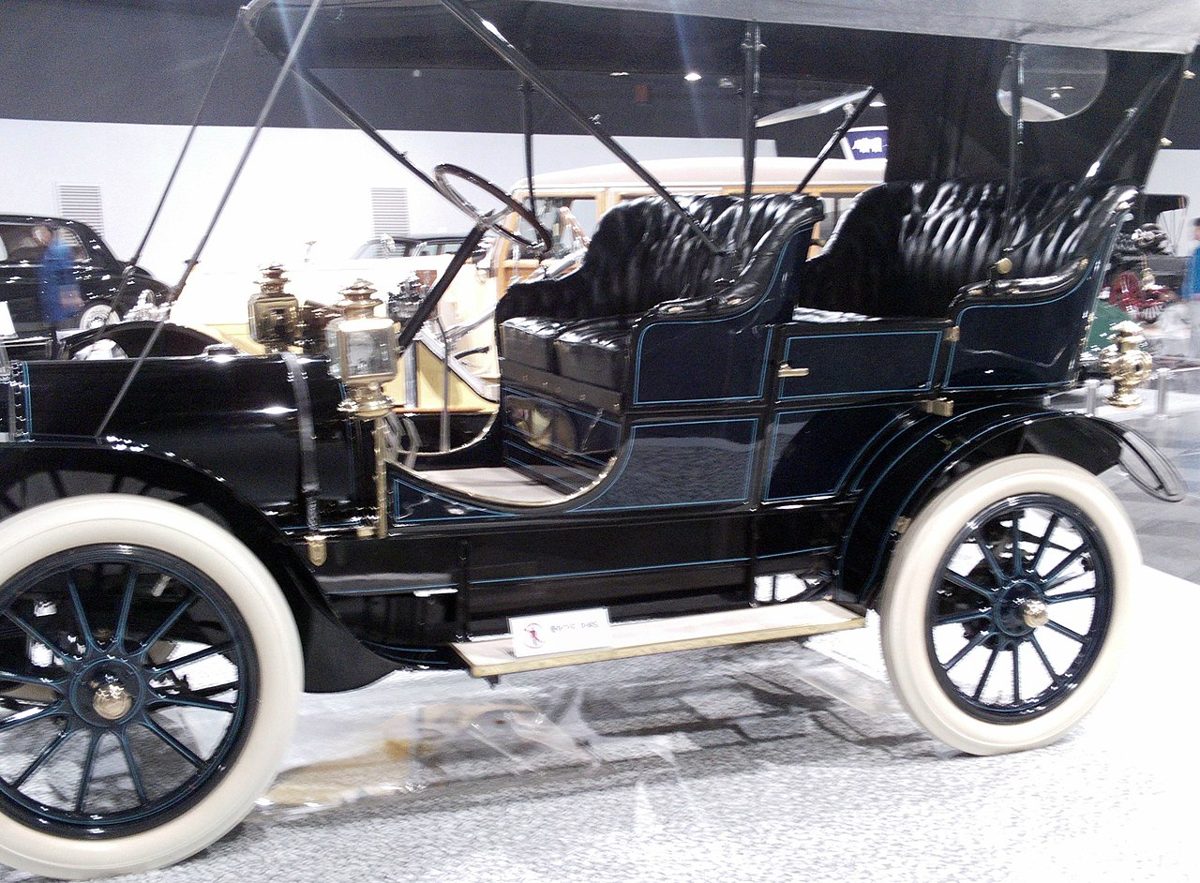
Beyond the engine, Franklin's chassis design was equally unconventional. While the rest of the industry transitioned to heavy steel frames, Franklin remained committed to using ash wood for its chassis until the late 1920s. This wasn't a cost-saving measure; on the contrary, Franklin's three-ply laminated ash frames were expensive to produce. The reasoning was rooted in Wilkinson's pursuit of a superior ride quality. A wooden frame, combined with Franklin's signature full-elliptic leaf springs on all four wheels, provided a level of flexibility and vibration dampening that steel frames of the era simply couldn't match.
On the unpaved and rutted roads of early 20th-century America, a Franklin car didn't just travel; it flowed. The flexible frame and sophisticated suspension allowed the car to absorb shocks that would have rattled a conventional car to pieces. Owners often described the sensation as riding in a "baby buggy," a testament to the vehicle's legendary smoothness. Coupled with the lightweight aluminum bodywork, this created a driving experience that was agile and comfortable, making Franklin a prestigious choice for the upper middle class and early automotive connoisseurs who appreciated technical sophistication over ostentatious display.
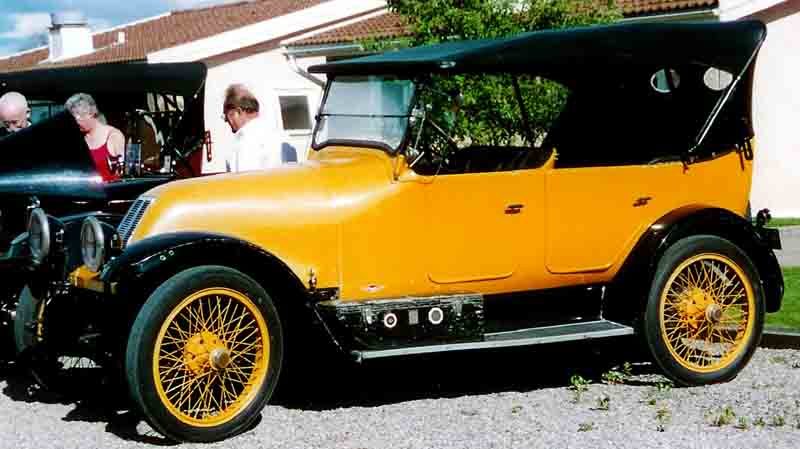
Model Evolution: From Barrel Hoods to the Shovel-Nose
Franklin's aesthetic evolution followed its engineering needs. The earliest models, like the Type A of 1902, featured a transverse engine layout, but the brand soon adopted a longitudinal arrangement that required a hood. Because Franklin cars didn't have a front-mounted radiator, their early hood designs were distinctive. The "barrel hood" models of 1905 to 1910 featured a circular air intake at the front, emphasizing the unique nature of the air-cooled engine within. These cars were instantly recognizable on the road, signaling the owner's commitment to modern, scientific motoring.
In 1916, Franklin introduced the Series 9, which featured the iconic "shovel-nose" hood. This design was not just a stylistic choice but an aerodynamic one, designed to help guide air into the cooling fan. The Series 9 was a massive success, accounting for roughly a third of all Franklins ever produced. It solidified the brand's reputation for reliability and efficiency. By this time, Franklin had also pioneered several other features that would later become industry standards, including automatic spark advance and recirculating pressure-feed oiling systems, further cementimg its place as a technical leader in the American market.
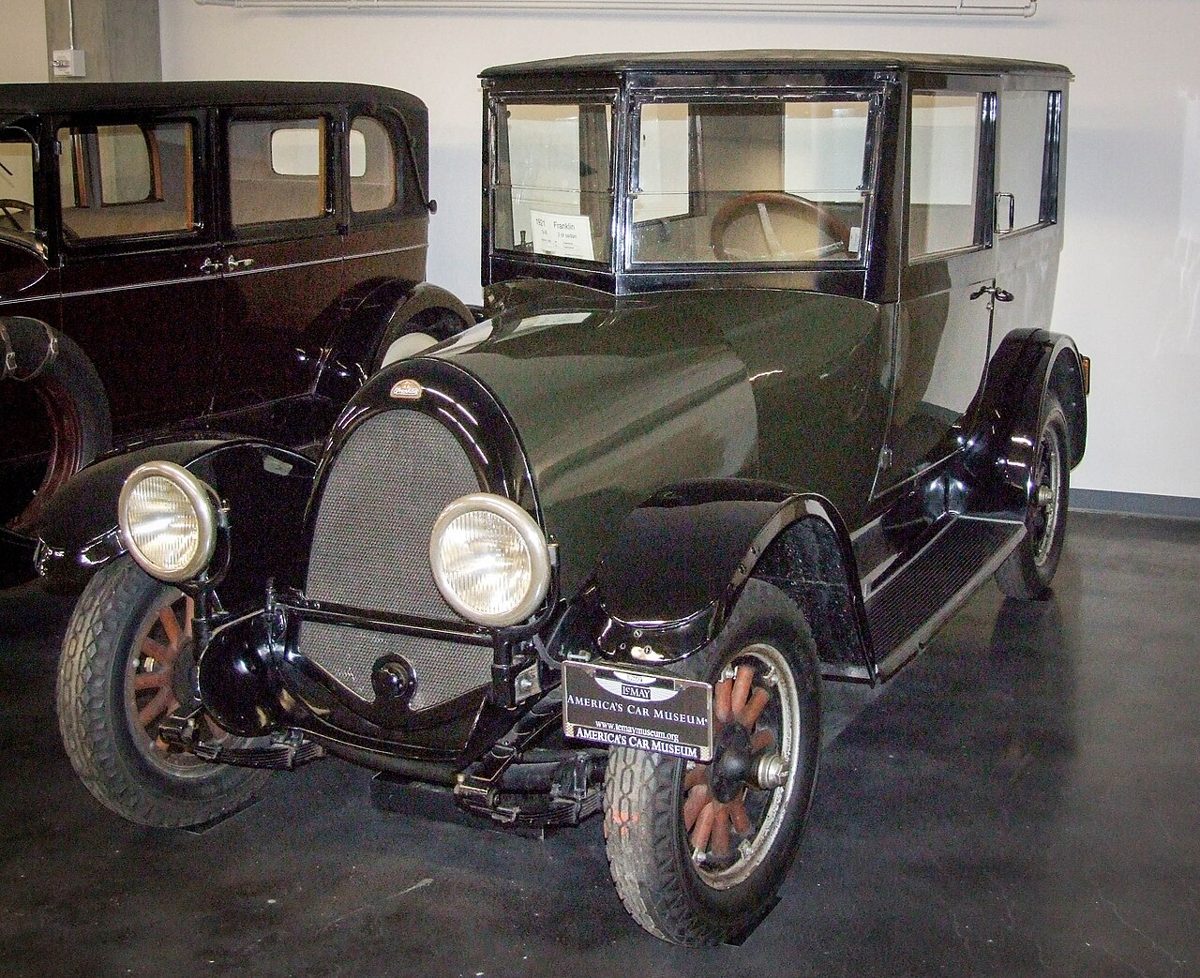
The Horse-Collar Era and the Transition to Mainstream Styling
As the 1920s progressed, Franklin faced increasing pressure to conform to more conventional automotive styling. In 1922, the Series 10 was introduced with the "horse-collar" hood, which moved slightly closer to the look of a traditional radiator while still maintaining a unique air-cooled identity. However, the biggest change came in 1925 when the company hired J. Frank deCausse, a former designer for the prestigious Locomobile brand. Under pressure from dealers who felt the car's unique looks were hurting sales, deCausse introduced the "hoodfront" — a dummy radiator that looked like a traditional water-cooled grille but functioned as an air intake.
While some purists bemoaned the loss of the distinctive air-cooled silhouette, the move proved successful. The new deCausse-styled Franklins were strikingly beautiful, blending the brand's legendary engineering with contemporary luxury aesthetics. These cars were longer, lower, and more elegant than their predecessors, appealing to a wider audience. Despite the addition of the "radiator" look, the cars remained 100% air-cooled, with sophisticated ducting systems ensuring that the cooling fan received ample airflow. This period saw Franklin reach its production peak, as the cars became symbols of refined technical excellence and understated luxury.
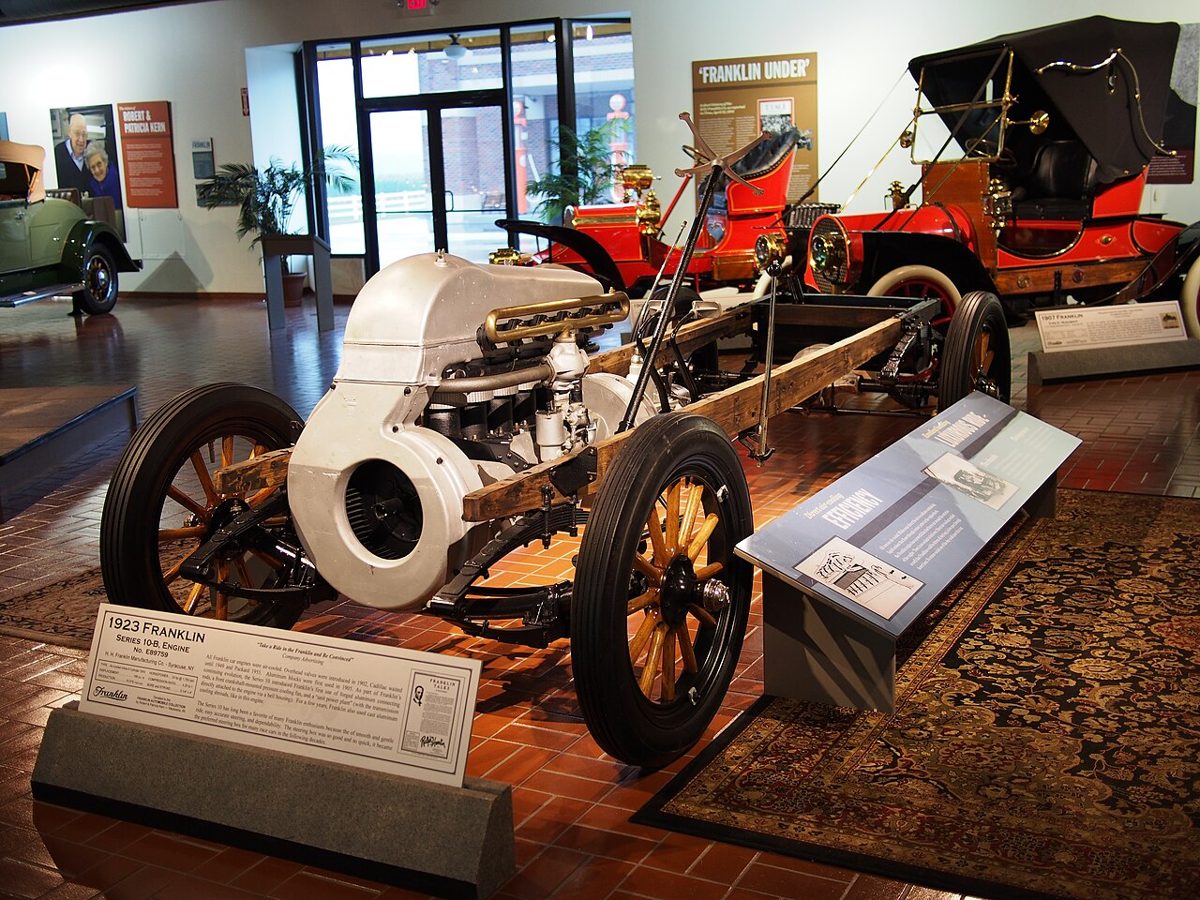
The Airman Series and the Lindbergh Connection
Perhaps the most famous chapter in Franklin's history began in 1927, following Charles Lindbergh's historic transatlantic flight. Lindbergh, a fan of air-cooled engines (his Spirit of St. Louis was powered by an air-cooled Wright Whirlwind), became a vocal supporter of the Franklin brand. He eventually owned several Franklins, and his endorsement was a marketing goldmine. In response, Franklin introduced the "Airman" series, leaning heavily into its aviation pedigree. The Airman models were marketed as being built on "aircraft principles," emphasizing their lightweight construction and air-cooled reliability.
The Airman series represented the pinnacle of Franklin's six-cylinder development. These cars featured advanced sidedraft cooling systems that allowed the engines to produce significantly more power while remaining cool even in the harshest conditions. Styling was further refined by Raymond Dietrich, one of the era's most celebrated coachbuilders. The resulting vehicles were among the most prestigious and technically advanced cars on American roads, favored by engineers, doctors, and professionals who valued the brand's unique blend of performance and sophisticated engineering. For air-cooled enthusiasts today, the Airman series remains a high-water mark for the brand.
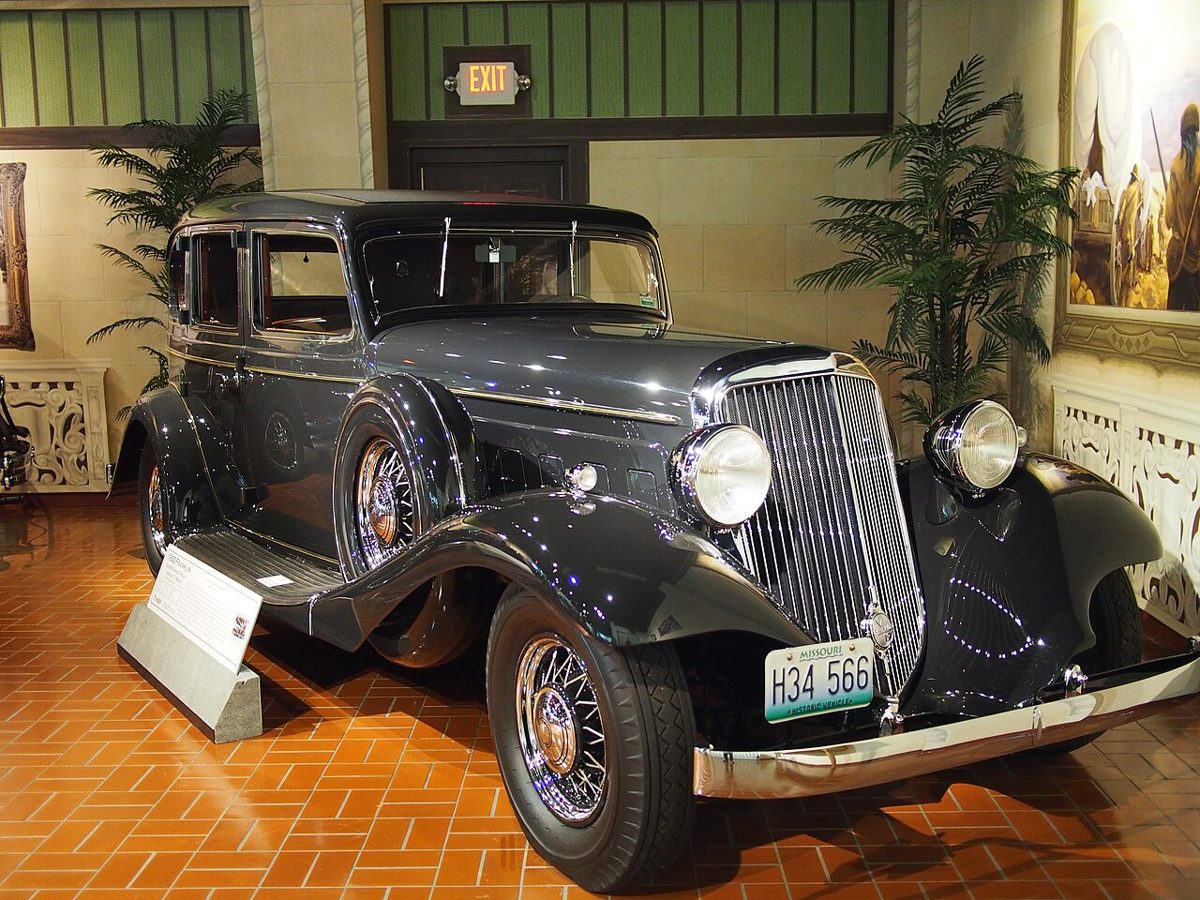
The Final Years: The V12 and the End of an Era
The onset of the Great Depression was a devastating blow to the luxury car market, and Franklin was not spared. In a desperate attempt to compete in the prestige market, Franklin introduced an ambitious air-cooled V12 in 1932. The Series 17 V12 was a technical marvel, producing 150 horsepower and featuring what the company called "supercharging" — actually a high-pressure air duct from the cooling fan that aided induction. However, the V12 was heavy and expensive, departing from the "scientific light weight" philosophy that had defined the brand for three decades. Only about 200 were ever produced.
In a final attempt to capture a lower price point, the company released the 1933 Olympic model, which utilized a Reo body with a Franklin air-cooled six-cylinder engine. While the Olympic was a capable car, it couldn't save the company from its mounting debts. The Syracuse factory finally closed its doors in 1934. However, the Franklin legacy lived on. The company's engine patents were acquired by Aircooled Motors, which continued to produce high-performance air-cooled engines for helicopters and light aircraft for decades. Even the legendary Tucker 48 would eventually find its power in a modified Franklin aircraft engine, proving that the principles established by John Wilkinson were as sound in the mid-century as they were at the dawn of the automotive age.
One of the most fascinating aspects of Franklin's engineering was the sheer breadth of their aluminum usage. While other manufacturers might have used aluminum for a few small engine parts or high-end body panels, Franklin embraced the material across the entire vehicle. In the early 1900s, Franklin was the largest user of aluminum in the world. They used it for crankcases, transmission housings, and intake manifolds, but also for the bodies of almost every model. This wasn't just about saving weight; it was about durability and performance. Aluminum didn't rust like steel, and its thermal conductivity helped dissipate heat—a crucial advantage for an air-cooled machine. Enthusiasts today still marvel at the crisp, clean lines of these hand-beaten aluminum bodies, which have survived a century in better condition than many of their steel-bodied contemporaries.
The transition from the suction-based 'Sirocco' fan to the pressure-based cooling system in 1922 was another major milestone. The Sirocco fan, built into the flywheel at the rear of the engine, worked by pulling air across the cylinders. While effective for early four-cylinder models, it reached its limits as engine displacements grew. The move to a front-mounted blower, which forced air through a complex system of ducts and baffles, allowed Franklin to produce much larger and more powerful six-cylinder engines. This system was so efficient that a Franklin could be driven at full throttle for hours in the middle of a desert summer without a hint of overheating. In fact, Franklin salesmen often performed stunts like idling a car for hours on a hot day or driving up steep mountain passes in low gear to prove the superiority of their cooling system over water-cooled rivals.
The connection between Franklin and the aviation industry was not just a marketing gimmick; it was a genuine exchange of technology. Charles Lindbergh's preference for Franklin cars was based on his firsthand experience with the reliability of air-cooled engines in the air. After his 1927 flight, Lindbergh became a regular visitor to the Syracuse factory, consulting with Franklin engineers on engine efficiency. This relationship gave birth to the 'Airman' name, but it also influenced the design of the cars. The later Airman models featured 'sidedraft' cooling, where air was blown across the sides of the cylinders rather than down from the top. This allowed for a more compact engine layout and improved the aerodynamics of the front end, which in turn allowed for the more streamlined styling that defined the late 1920s Franklins.
The V12 introduced in 1932 was perhaps the most ambitious air-cooled automotive engine ever built in America. With a 398-cubic-inch displacement, it was a massive powerplant that required a sophisticated cooling system. Franklin engineers developed a unique 'supercharging' system that used a high-capacity blower to force air into the carburetors as well as over the cylinders. While the car's weight eventually exceeded the 'scientific light weight' ideal, the engine itself was a masterpiece of air-cooled engineering. It was exceptionally smooth and quiet, rivaling the best water-cooled V12s from Cadillac or Packard. Today, the few surviving Franklin V12s are among the most sought-after collector cars in the world, representing the final, glorious flourish of a company that refused to compromise on its air-cooled principles.
Even after the company's bankruptcy, the Franklin spirit lived on in one of the most famous automotive projects of the 20th century: the Tucker 48. Preston Tucker, seeking a powerful and reliable engine for his 'Car of Tomorrow,' initially experimented with a massive 589-cubic-inch engine of his own design. When that failed, he turned to the Franklin O-335 aircraft engine, produced by Aircooled Motors (the successor to Franklin). This horizontally-opposed, air-cooled six-cylinder engine was modified for water cooling (ironically) and installed in the back of the Tucker. The fact that an engine derived directly from Franklin technology was chosen to power the most advanced car of the late 1940s is a powerful testament to the enduring brilliance of John Wilkinson's original vision. For the air-cooled enthusiast, the lineage from the 1902 Franklin to the 1948 Tucker represents a continuous thread of engineering innovation that prioritized efficiency, simplicity, and performance.
Image credits
- COVER: 1928 Franklin Airman Series 12 Sport Sedan. Photo by Peter from USA. Licence: CC BY 2.0. Source
- IMG1: 1906 Franklin Type H. Photo by Unknown author. Licence: Public Domain. Source
- IMG2: 1907 Franklin Model D roadster. Photo by Harris & Ewing. Licence: Public Domain. Source
- IMG3: 1910 Franklin Model G Touring. Photo by Katherine Tompkins. Licence: CC BY 2.0. Source
- IMG4: 1919 Franklin Model 9-B Touring. Photo by Lars-Goran Lindgren. Licence: CC BY-SA 3.0. Source
- IMG5: 1921 Franklin 9-B Sedan. Photo by Anackire. Licence: CC BY 2.0. Source
- IMG6: 1923 Franklin Series 10-B. Photo by F. D. Richards. Licence: CC BY-SA 2.0. Source
- IMG7: 1932 Franklin Supercharged Twelve Series 17. Photo by F. D. Richards. Licence: CC BY-SA 2.0. Source