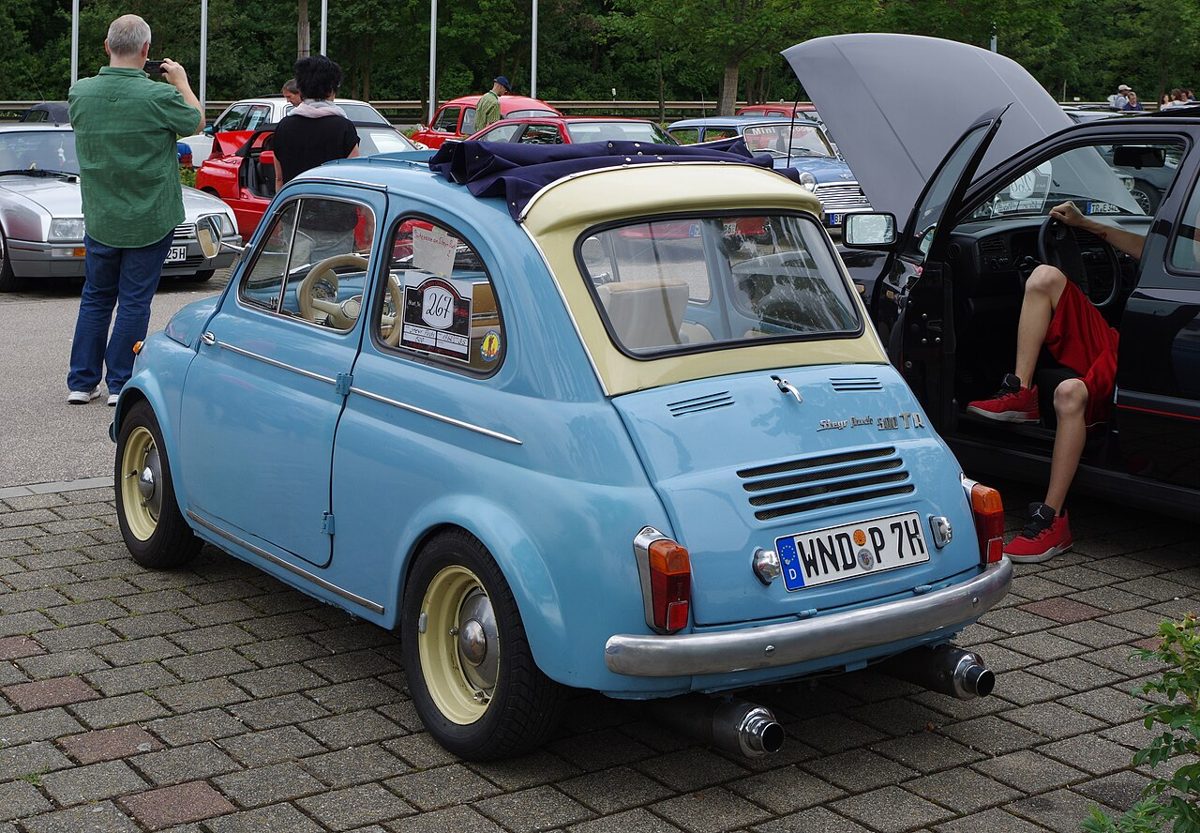
There is a particular sound that belongs to Steyr-Daimler-Puch: a light, dry, slightly tinny clatter, somewhere between a sewing machine and a swarm of bees, coming from an engine that has no radiator, no water pump and no coolant to boil over on a mountain pass. For anyone who loves air-cooled machinery, the Austrian firm is a quiet giant. It never built the numbers that Volkswagen or Porsche did, but between the late 1950s and the 1980s it produced a family of air-cooled vehicles — the Puch 500 and 650, the Haflinger, and the Pinzgauer — that are as honest, as over-engineered and as charming as anything the air-cooled world has ever offered. This is their story.
A company built out of a collapse
Steyr-Daimler-Puch AG was itself a product of hard times. In 1934 the Austrian arms and vehicle maker Steyr-Werke merged with the Austro-Daimler and Puch works, bringing together three of the most storied names in Central European engineering under one roof. The new combine made everything from bicycles and motorcycles to trucks, tractors and military vehicles, and its factories in Steyr and Graz survived the Second World War, occupation and reconstruction. By the mid-1950s the company was looking for a small, affordable car for a country that was finally getting back on its feet — and, crucially, for something it could build in large numbers without a huge new engine programme.
The answer came from Italy. Fiat had launched the Nuova 500 in 1957, a tiny rear-engined city car with a two-cylinder air-cooled engine. Steyr-Daimler-Puch struck a licence agreement with Fiat, and from 1957 the Graz works began building its own version. The Austrian car would share the Fiat's shape and concept but not, as it turned out, its engine — and that decision is the reason air-cooled enthusiasts still talk about the Puch 500 today.
The Puch 500: same shell, a very different heart
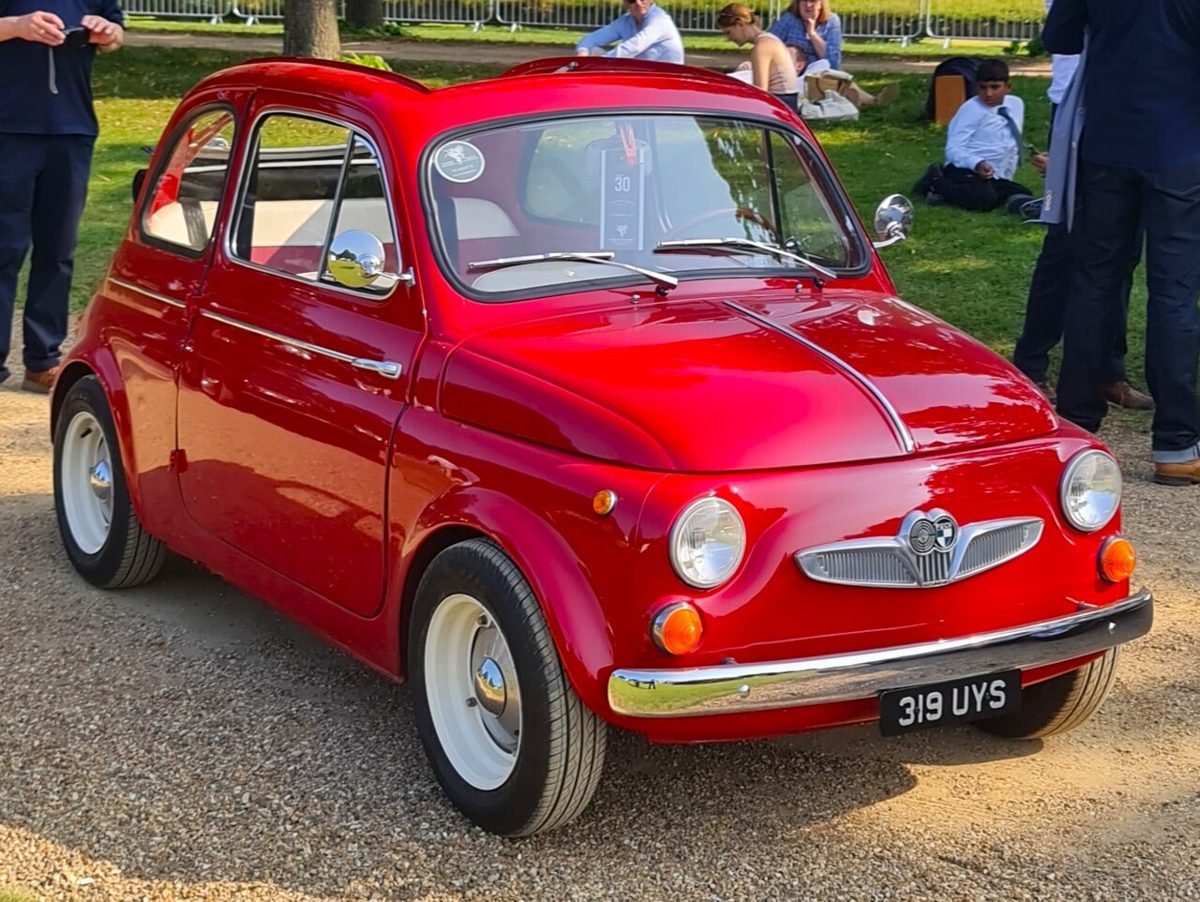
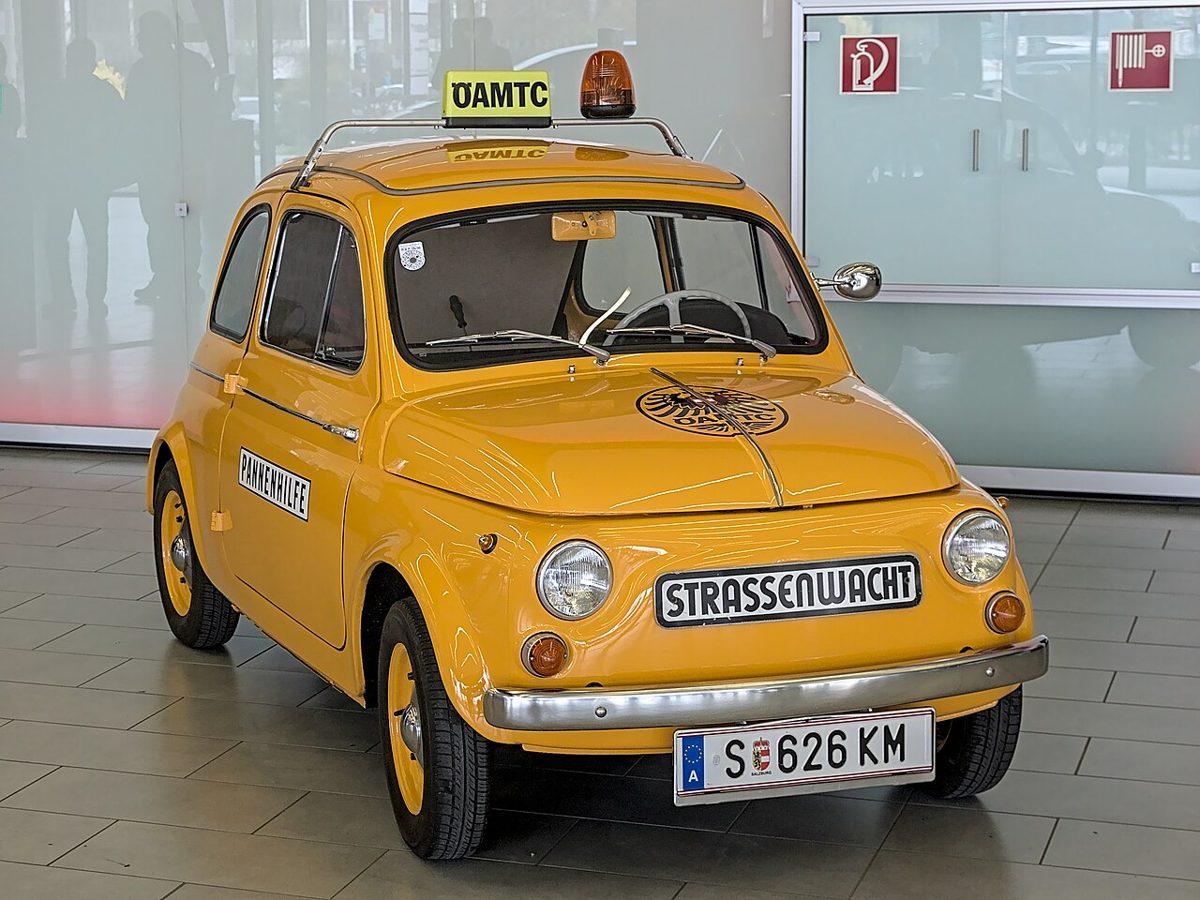
The Steyr-Puch 500 went on sale in 1957 and looked, at a glance, like a Fiat 500. Under the engine lid, though, was a Puch-designed air-cooled flat-twin of 493 cc rather than Fiat's own unit, driving through a four-speed gearbox. It was a robust, torquey little engine that suited Austrian conditions — long climbs, cold mornings, indifferent fuel — far better than a high-strung city motor, and it gave the car a character all of its own. The model range grew steadily: the 500 D of 1959 brought a 493 cc engine with more power, and later versions such as the 500 DL and the 650 offered more displacement and equipment.
What made the Puch 500 special was the way it combined Fiat's brilliant packaging — a real four-seat cabin in a car barely three metres long — with Austrian build quality and a slightly more grown-up feel. The bodies were assembled and finished in Graz, and the cars developed a reputation for toughness that the Italian original did not always enjoy. Production ran from 1957 until 1975, with roughly 60,000 cars built, and the little Puch became a fixture of Austrian streets, Alpine villages and driving schools. For a generation of Austrians it was simply "the Puch".
Engineering the air-cooled way
Air cooling was not a fashion statement at Steyr-Daimler-Puch; it was a philosophy. A fan driven off the crankshaft pushed air through finned cylinders and heads, and the whole engine was sealed against dust and water. There was no radiator to puncture, no hoses to perish, no coolant to freeze in an Alpine winter or boil on a summer pass. For a company whose customers included farmers, foresters, the army and mountain rescue services, that simplicity was worth more than a few horsepower.
The same logic ran through the whole range. The flat-twin in the Puch 500 was light and compact, sitting behind the rear axle in the Fiat tradition, and it was easy to work on with basic tools at the roadside. Later, the same air-cooled thinking scaled up: a 643 cc flat-twin for the 650, a 643 cc flat-twin for the Haflinger, and eventually a 2.5-litre air-cooled inline four for the Pinzgauer. In every case the recipe was the same — finned barrels, a belt- or gear-driven cooling fan, and a design that expected to be maintained by a farmer with a spanner rather than a dealer with a diagnostic computer.
The 650 and the 650 TR: Austria's giant-killer
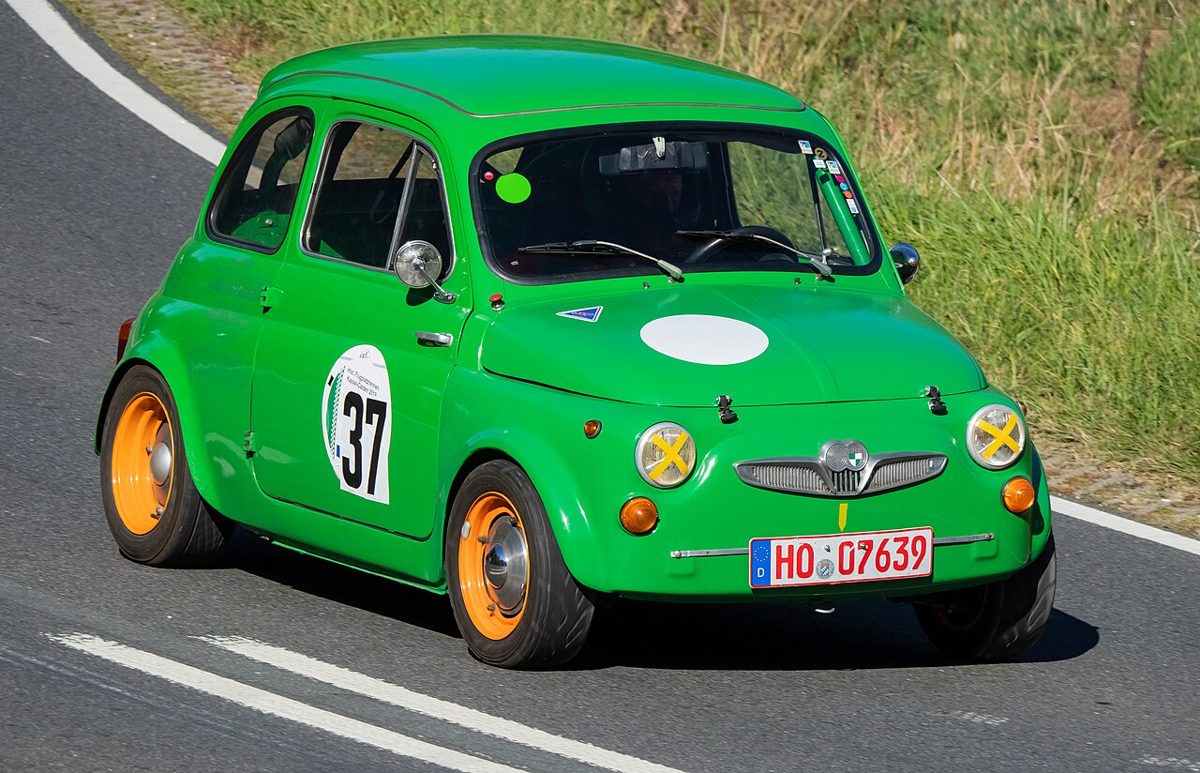
In 1959 the Puch 650 arrived with a larger 643 cc flat-twin, and with it came the model that made the marque famous far beyond Austria: the 650 TR. The "TR" stood for Tourismo Rapido, and it was a proper little competition car — a stripped, lightened coupé with a tuned twin, twin carburettors in some versions, and a close-ratio gearbox. In the hands of Austrian privateers and the works team it punched far above its weight in rallying and hill climbing, taking class wins against much larger machinery and earning a reputation for reliability that bordered on the miraculous.
The 650 TR became a cult car in its own right. Its rear-engined layout and short wheelbase made it agile on tight, twisty mountain roads, and its air-cooled twin could be thrashed all day without complaint. Today the TR is one of the most sought-after small Austrian classics, and it still turns up at historic hill climbs — a tiny, noisy, cheerful reminder that motorsport does not require a big engine, only a good one.
Motorsport and the mountain roads
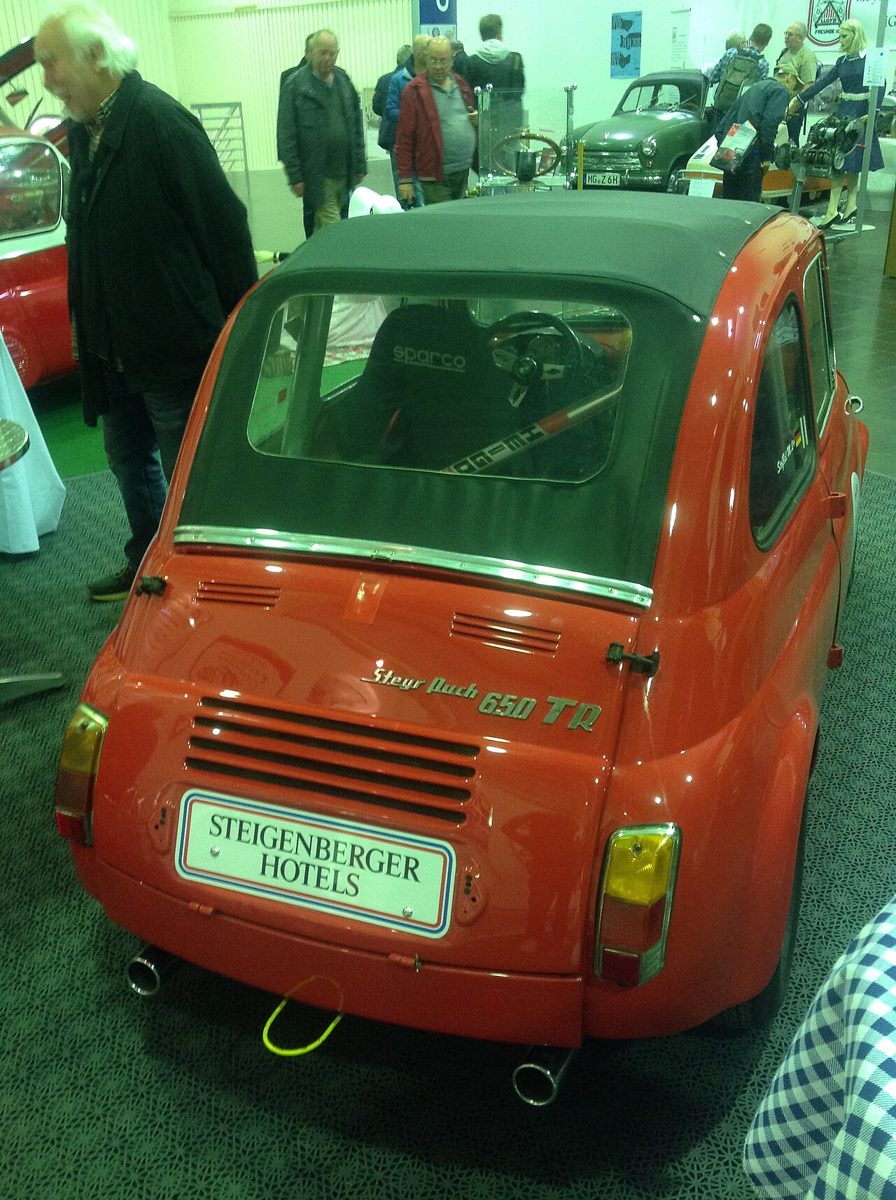
Steyr-Daimler-Puch understood that its cars were made for the terrain around Graz, and it used that terrain as a marketing tool. Hill climbs, rallies and endurance events across Austria and the Alps became the natural stage for the Puch 500 and 650, where the air-cooled twins' resistance to heat and altitude gave them a genuine advantage. The company also built a strong reputation in motorcycle racing and, later, in off-road competition with the Haflinger and Pinzgauer, which were entered in trials and military competitions across Europe.
The cultural significance ran deeper than trophies. The Puch 500 and 650 were the cars that put post-war Austria on wheels, and the 650 TR was the car that proved Austrian engineering could beat the world on a budget. For air-cooled enthusiasts, they represent a parallel universe to the Volkswagen Beetle and the Porsche 356 — the same principles of simplicity and thermal honesty, applied to a very different set of problems.
The Haflinger: a mountain goat on wheels
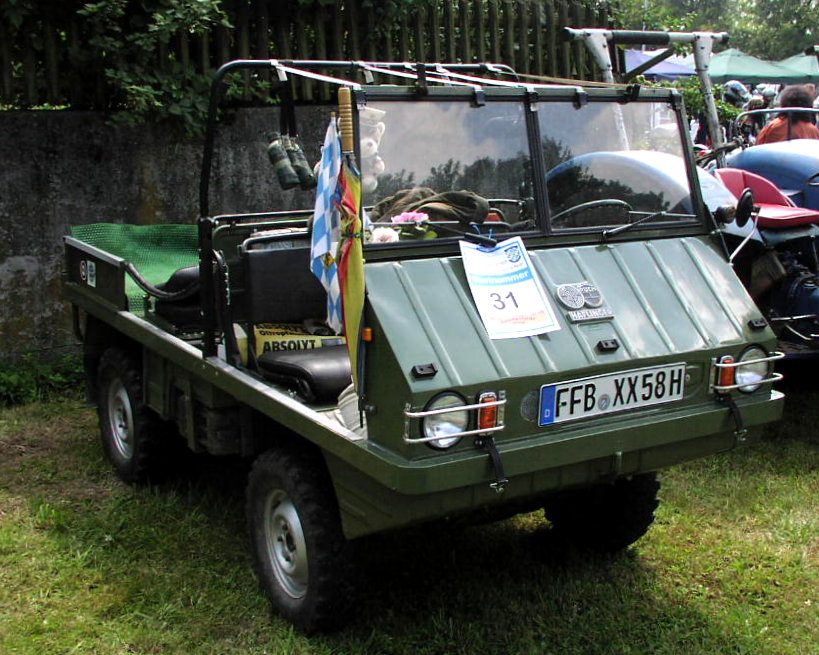
If the Puch 500 was a city car with Alpine genes, the Haflinger was the Alpine goat itself. Introduced in 1959 and named after the sturdy Haflinger horse breed, it was a tiny, boxy off-roader designed for farmers, foresters and the Austrian army. Under the floor sat a 643 cc air-cooled flat-twin — essentially a development of the Puch 650 engine — driving all four wheels through a portal-axle chassis with independent suspension and a central tube frame. It weighed well under a tonne and could climb gradients that would stop a Land Rover.
The Haflinger's party trick was its combination of low weight, low gearing and enormous ground clearance. Portal axles lifted the differentials well above the wheel centres, so the little truck could wade through streams and scramble over rocks that would beach far larger vehicles. It came as a short-wheelbase pickup, a longer-wheelbase version, and a range of military and utility bodies, and it was sold across Europe and beyond. Production ran from 1959 to 1974, with around 16,000 built, and the Haflinger remains a legend among off-road enthusiasts — a machine that does more with 25 horsepower than most modern SUVs do with 250.
Haflinger in the field
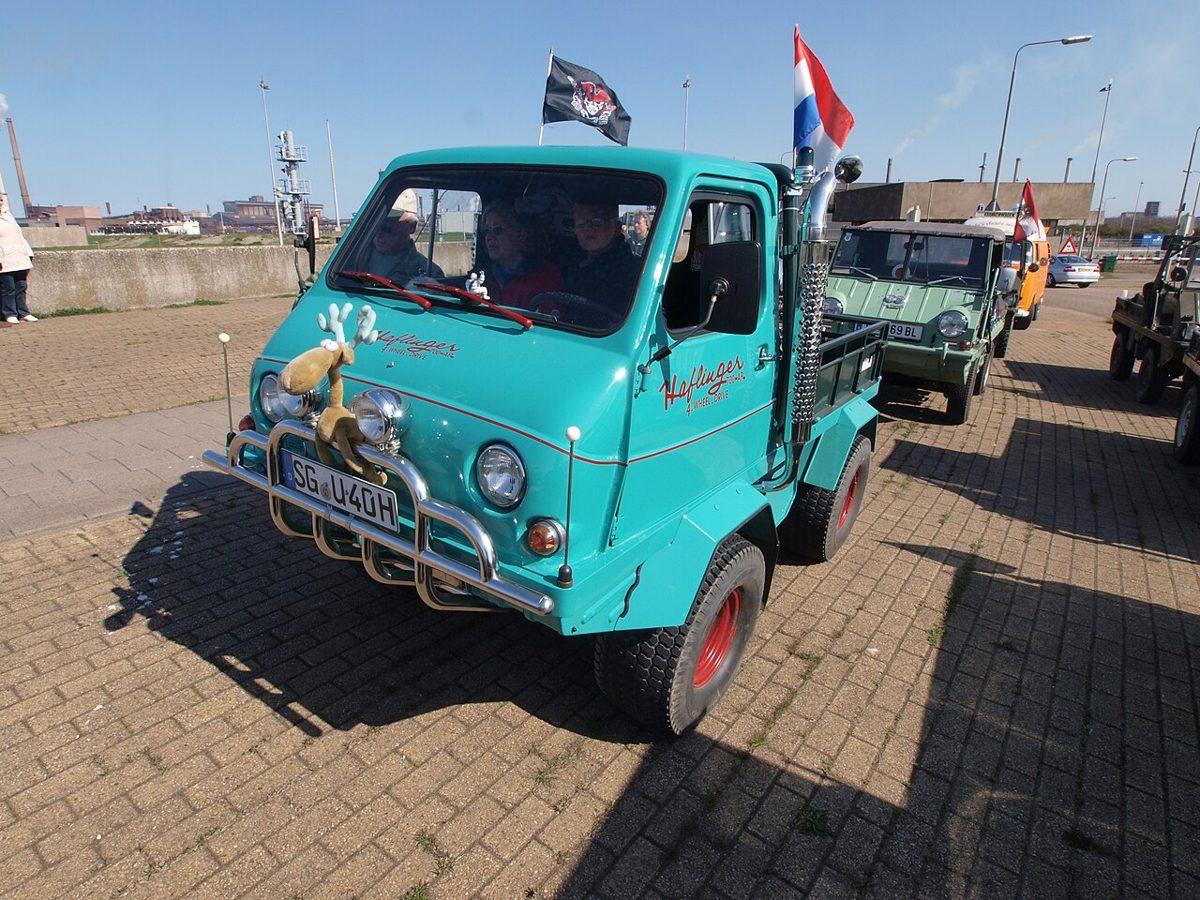
The Haflinger's air-cooled engine was the key to its success in the field. It could be started in deep cold, run for hours at low speed in low gear without overheating, and serviced by a soldier or a farmer with a handful of tools. The Austrian Bundesheer used it extensively, as did the Swiss, German and other European armies, and it found a second life with mountain rescue teams, forestry services and utility companies. Its flat-twin was mounted low and centrally, keeping the centre of gravity down and allowing the body to be built around it.
Driving a Haflinger is an experience unlike any other. The engine note is a hard, busy flat-twin beat, the gearbox has a famously long set of ratios, and the steering is light enough to be turned with one hand. It is slow, noisy and utterly delightful — the purest expression of the Steyr-Daimler-Puch idea that a vehicle should be as simple as possible and no simpler.
The Pinzgauer: the Haflinger's bigger brother
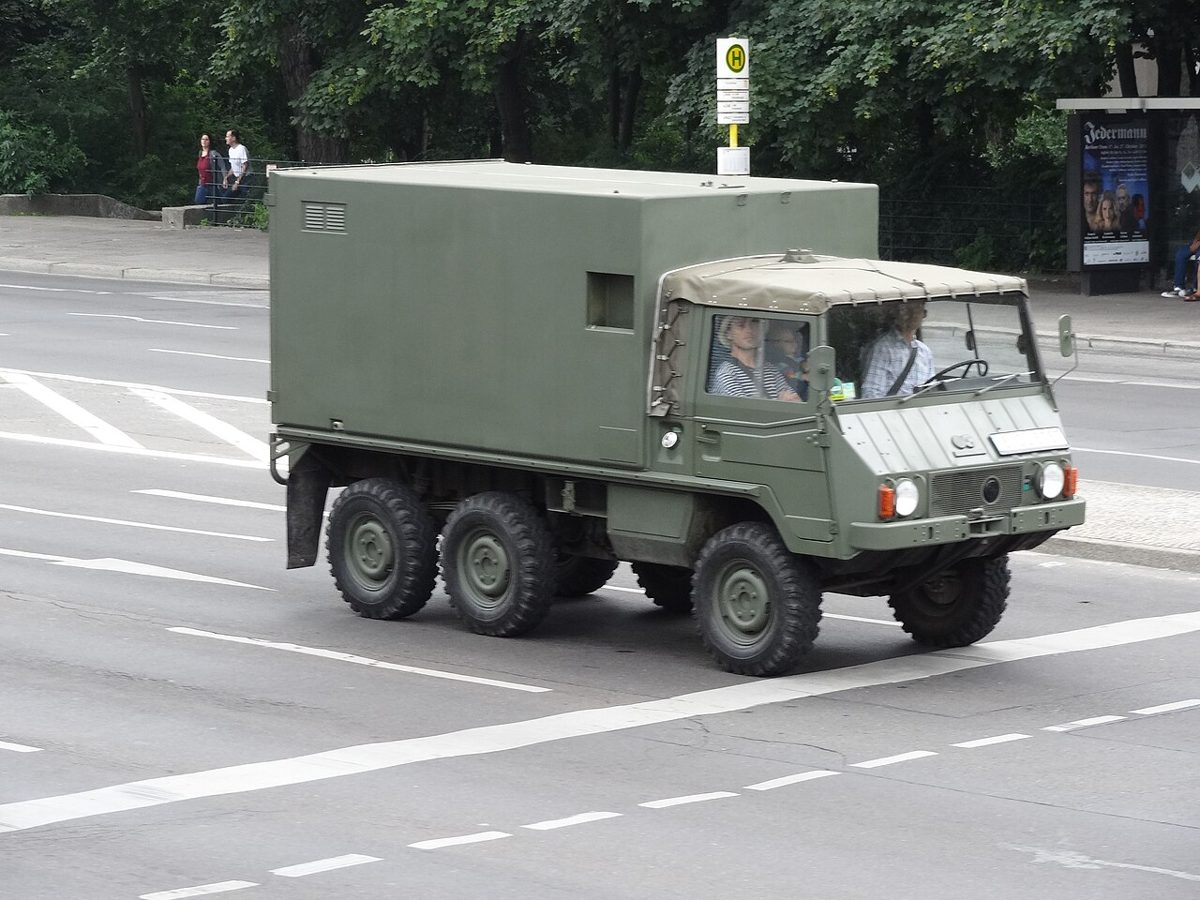
By the late 1960s the Austrian army wanted something larger, and Steyr-Daimler-Puch answered with the Pinzgauer, launched in 1971 and named after the Pinzgau region of Salzburg. The Pinzgauer took the Haflinger's central-tube chassis and portal axles and scaled them up, adding a 2.5-litre air-cooled inline four-cylinder engine mounted in the rear, a five-speed gearbox and a range of 4x4 and 6x6 bodies. It could carry a tonne or more, tow a trailer, and still climb a 45-degree slope.
The Pinzgauer became one of the most respected military off-roaders in the world, serving with the Austrian, Swiss, British, Malaysian and many other armies, as well as with fire services and expedition operators. Its air-cooled engine was chosen for the same reasons as the Haflinger's: reliability, simplicity and the ability to run in extreme conditions. Production continued into the 1990s and beyond under later owners, but the classic air-cooled Pinzgauer 710 and 712 remain the ones enthusiasts treasure.
Under the skin: the air-cooled four
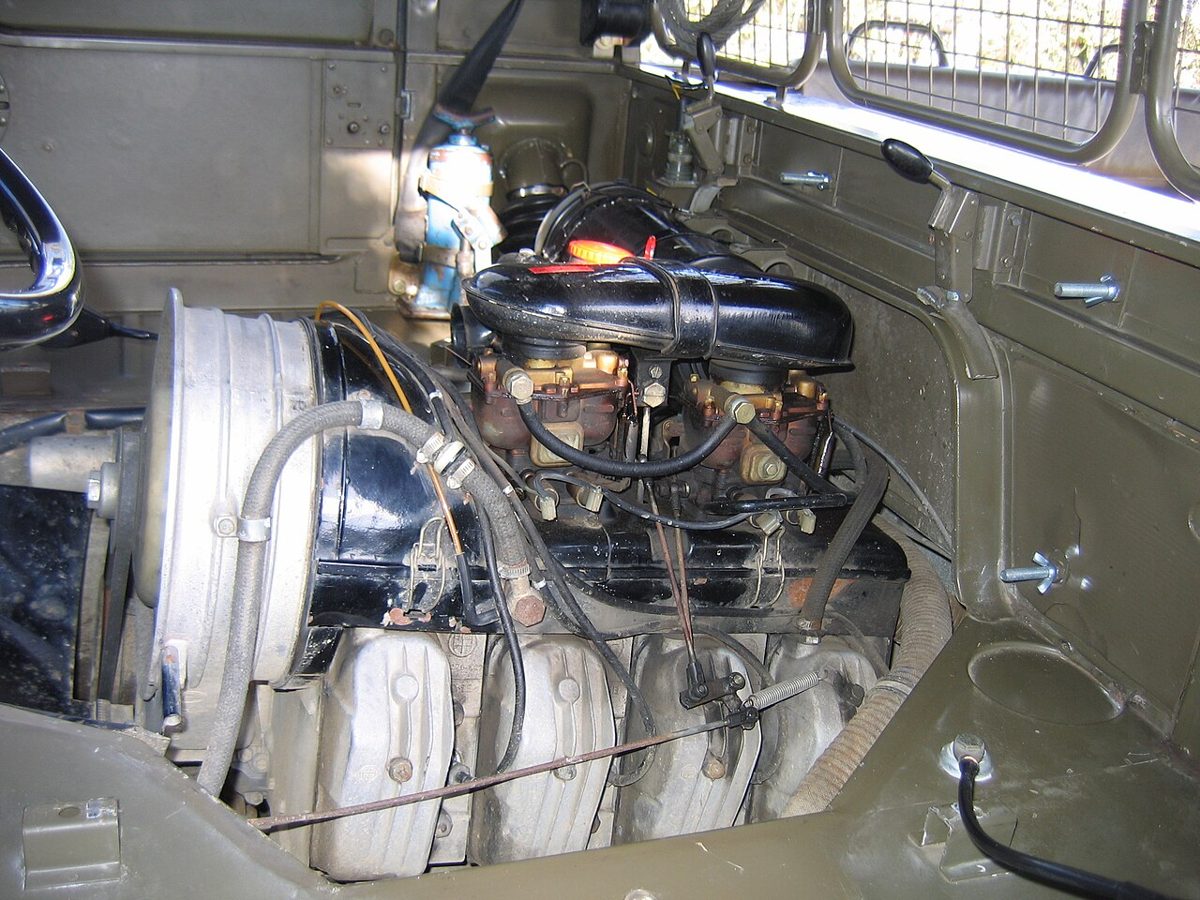
The Pinzgauer's engine is a masterpiece of air-cooled packaging. The 2.5-litre inline four sits under the rear floor, cooled by a large fan and ducted air, and drives through a five-speed gearbox to a transfer case and then to the portal axles. Because the engine is air-cooled, there is no radiator at the front, which frees up space and allows the Pinzgauer's distinctive flat, slab-sided body to be built for maximum interior volume. The same logic that put a flat-twin behind the axle of a Puch 500 put a straight-four under the floor of a military truck.
For the enthusiast, the Pinzgauer engine bay is a lesson in functional design: finned cylinders, a big cooling fan, a simple ignition system and an exhaust that exits high and dry. It is not a beautiful engine in the way a Porsche flat-six is beautiful, but it is honest, accessible and built to be repaired in the field. That is the Steyr-Daimler-Puch way.
Why Steyr-Daimler-Puch still matters to air-cooled enthusiasts
The company's air-cooled era was relatively short — roughly from the Puch 500 of 1957 to the last air-cooled Pinzgauers of the 1980s — but its influence is out of all proportion to its size. Steyr-Daimler-Puch showed that air cooling was not a compromise but a design choice with real advantages: simplicity, reliability, resistance to heat and cold, and a kind of mechanical honesty that modern water-cooled machines rarely match. The Puch 500 and 650 brought motoring to Austria; the 650 TR proved the formula in competition; the Haflinger and Pinzgauer took it to the ends of the earth.
Today the marque has a devoted following. Puch 500s and 650 TRs are prized by collectors, Haflingers and Pinzgauers have a thriving international owners' scene, and the distinctive flat-twin clatter is instantly recognisable at any classic event. For those of us who love air-cooled engines, Steyr-Daimler-Puch is a reminder that the best air-cooled machines are not always the most famous ones. They are the ones built by people who understood exactly what air cooling was for — and built it into vehicles that could go anywhere, in any weather, and come back for more.
Whether you are restoring a Puch 500 in a shed in Styria, hunting for a Haflinger to take into the hills, or simply listening to a Pinzgauer's fan whine on a cold morning, you are part of a tradition that began in Graz more than sixty years ago. Welcome to it.
Image credits
- COVER: Steyr-Puch 500 at a 2017 classic car event, three-quarter view — Berthold Werner, CC BY-SA 4.0, via Wikimedia Commons
- IMG1: 1962 Steyr-Puch 500 D, the Austrian take on the Fiat 500 — MrWalkr, CC BY-SA 4.0, via Wikimedia Commons
- IMG2: Steyr-Puch 500 front view with its round headlamps and chrome nose trim — Alexander-93, CC BY-SA 4.0, via Wikimedia Commons
- IMG3: 1958 Steyr-Puch 650 at the Würgau hill climb — Ermell, CC BY-SA 4.0, via Wikimedia Commons
- IMG4: Steyr-Puch 650 TR competition coupé — Andrew Bone from Weymouth, England, CC BY 2.0, via Wikimedia Commons
- IMG5: Steyr-Puch Haflinger, the air-cooled flat-twin mountain goat — MartinHansV, Public domain, via Wikimedia Commons
- IMG6: Steyr-Puch Haflinger 700 AP with its boxy, open utility body — AlfvanBeem, CC0, via Wikimedia Commons
- IMG7: Steyr-Puch Pinzgauer 710 in Berlin — Cherubino, CC BY-SA 3.0, via Wikimedia Commons
- IMG8: Air-cooled inline four under the rear floor of a Pinzgauer — Bryn Pinzgauer, CC BY 2.0, via Wikimedia Commons